- 2 月 13, 2026
- News
- 0 Comments
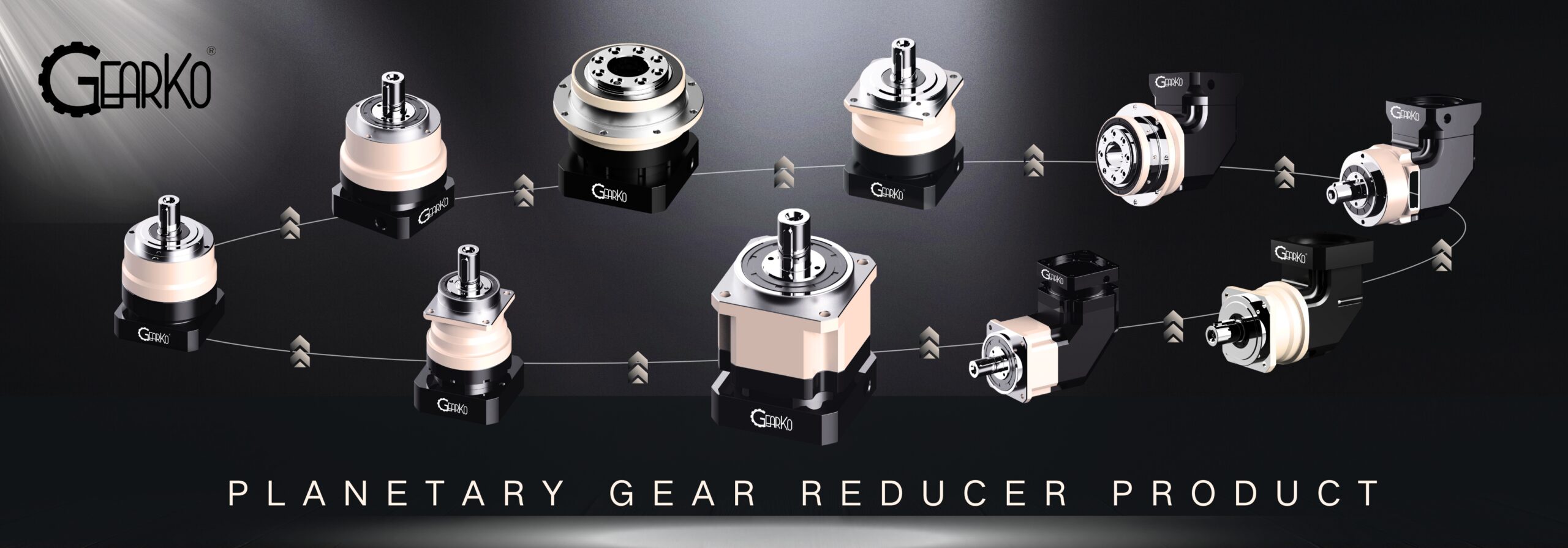
A gear reducer (speed reducer) should effectively translate input from a motor into the desired lower speed and higher torque output. A “good” one will:
 1. Match Your Application Requirements
A good reducer is appropriate for the load, speed, torque, duty cycle, and operating environment of your system.
 Key Selection Criteria
1. Gear Ratio (Reduction Ratio)
This determines how much the speed is reduced and how much torque is increased.
Example: A ratio of 10:1 reduces output speed to 1/10 the input and multiplies torque (minus losses) roughly by 10.
Choose based on: required output speed and torque.
Rule of Thumb
-
- Higher ratios → more torque, lower output speed.
-
- Lower ratios → less torque, higher output speed.
2. Torque Capacity
-
- Must handle peak and continuous torque without failure.
-
- Always size the reducer to handle at least 25–50% higher torque than expected in real operation.
Why this matters: undersizing leads to premature wear or failure.
3.  Input Speed Compatibility
-
- Gear reducers have a maximum allowable input RPM.
-
- Match it to the motor’s operating speed; exceeding it can cause overheating and failure.
4. Gear Type
Different gear types offer trade-offs in efficiency, cost, size, and performance:
| Gear Type | Efficiency | Load Capacity | Noise | Common Uses |
| Spur | High | Moderate | Higher | General industry |
| Helical | High | High | Lower | Heavy loads, quieter |
| Bevel | High | Medium | Moderate | Right-angle drives |
| Worm | Lower | Moderate | Quiet | Space-constrained, high ratio |
Choose based on:
-
- Efficiency needs
-
- Space constraints
-
- Torque requirements
-
- Noise limit
5. Mounting & Shaft Compatibility
Good reducers must physically match your system:
-
- Mounting style: foot, flange, torque arm, C-face, etc.
-
- Shaft size/type: keyway, hollow bore, tapered, etc.
-
- Alignment requirements with motor and driven equipment.
6. Efficiency
Higher efficiency means less heat and energy losses.
-
- Helical and bevel gears are typically more efficient than worm gears.
-
- Lower efficiency = more heat, larger housing, more maintenance
7. Duty Cycle
-
- Intermittent use (occasional loads) vs. Continuous use (24/7 operation).
- High duty = need more robust bearings, lubrication, thermal capacity.
8. Build Quality & Materials
Good materials help reliability and longevity:
-
- Carburized or hardened steel gears for high wear resistance
-
- Case C-grade cast iron or aluminum for strength vs. weight
-
- Seals and bearings that keep contaminants out and lubrication in
-
- Case C-grade cast iron or aluminum for strength vs. weight
These influence lifespan and maintenance frequency.
9. Operating Environment
Consider exposure to:
-
- Dust / dirt
-
- Moisture / water
-
- Corrosive chemicals
-
- Temperature extremes
Look for:
-
- Sealed or IP-rated housings
-
- Corrosion-resistant finishes
-
- Ventilation or cooling if needed
10. Serviceability & Lubrication
Easy access for lubrication and inspection is important.
Good reducers have:
-
- grease fittings or gear oil fill/drain plugs
-
- replaceable bearings and seals
Practical Selection Steps
Determine Requirements
-
- Motor power and speed
-
- Desired output speed
-
- Load torque and RPM
-
- Application duty and environment
Select Gear Type
-
- Based on torque, efficiency, noise, and space.
Calculate Gear Ratio
-
- Match output needs (speed/torque).
Size the Reducer
-
- Torque rating above expected demand
-
- Proper mounting and shaft fit
Check Efficiency, Serviceability & Protection
-
- Environmental sealing
-
- Lubrication plan
-
- Environmental sealing
Example Considerations (Abstract)
| Application | Recommended Traits |
| Robotics arms | Compact, light, high precision |
| Conveyor | High durability, moderate ratios |
| Heavy machinery | High torque, robust bearings |
| HVAC fans | Quiet operation, moderate loads |
Quick Checklist Before You Buy
 Is the ratio correct? Has the reducer got enough torque capacity? Does it match the input motor speed and shaft type? Is the gear type efficient for your use? Can it handle duty cycle and environment? Is lubrication and maintenance easy?