- 6 月 1, 2026
- News
- 0 Comments
As the global robotics industry enters the era of embodied AI, one critical component is rapidly moving into the spotlight: the harmonic gearbox.
From humanoid robots and collaborative robots to medical automation and intelligent manufacturing systems, harmonic gearboxes are becoming essential for delivering the precision, flexibility, and efficiency that next-generation robotics demand. Once considered a niche transmission solution, harmonic gearboxes are now recognized as one of the most strategic components in the robotics supply chain.
The Rise of Embodied AI Drives Massive Demand
Embodied intelligent robots are evolving quickly from laboratory concepts into real-world commercial applications. Unlike traditional industrial robots, humanoid robots require far more sophisticated joint systems capable of smooth, human-like motion.
This is where harmonic gearboxes play a critical role.
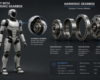
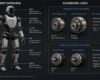
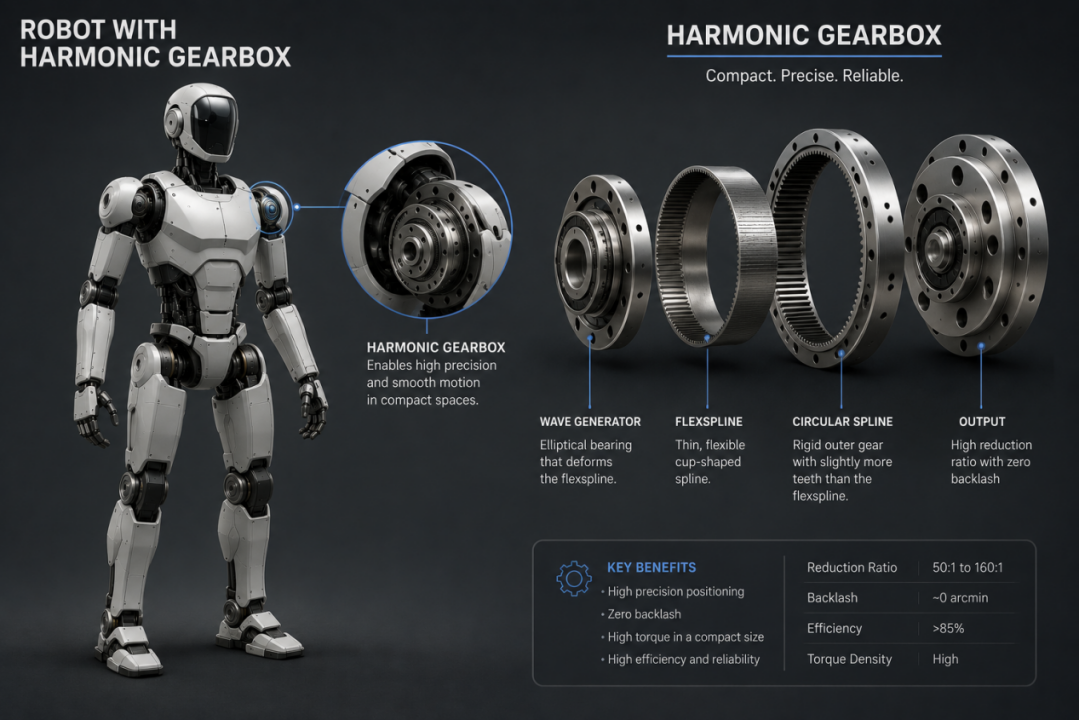
Often compared to ligaments in the human body, harmonic gearboxes directly influence a robot’s movement precision, torque transmission, responsiveness, and overall flexibility. Their compact structure, high reduction ratio, lightweight design, and near-zero backlash make them ideal for robotic joints where precision and efficiency are essential.
As the number of joints used in humanoid robots continues increasing, demand for high-performance harmonic gearboxes is growing exponentially across global markets.
From Supply Chain Bottleneck to Strategic Opportunity
For many years, the high-precision harmonic gearbox market was dominated by only a handful of international suppliers. While robotics innovation accelerated globally, gearbox supply remained limited, creating a major bottleneck for robot manufacturers.
Performance gaps also presented significant challenges. Many conventional harmonic gearboxes offered service lives of approximately 7,000 hours, while leading international products could achieve up to 10,000 hours. This difference significantly impacted maintenance costs, reliability, and long-term operational efficiency for robotics companies.
Today, however, the rapid expansion of the robotics ecosystem is accelerating supply chain diversification. Manufacturers worldwide are investing heavily in precision transmission technologies to meet rising industry demand and reduce dependence on limited suppliers.
Precision, Durability, and Scalability Become Competitive Advantages
As embodied AI applications expand into logistics, healthcare, smart manufacturing, and service robotics, gearbox performance standards are rising rapidly.
Robot manufacturers now demand:
- Higher torque density
- Longer service life
- Greater positioning accuracy
- Lower maintenance requirements
- Lightweight and compact designs
- Scalable production capacity
Companies capable of delivering both precision engineering and mass production are becoming increasingly important to the future of the robotics industry.
GearKo Expands Capacity to Meet Global Demand
Driven by strong market momentum, GearKo has significantly expanded its production capabilities for planetary and harmonic gearboxes. Annual production capacity has increased from 400,000 units to 1 million units, supporting the fast-growing needs of robotics manufacturers worldwide.
By focusing on precision manufacturing, reliability, and scalable supply, GearKo aims to support the next generation of intelligent robotics systems as the industry moves toward broader commercial adoption.
As the embodied AI revolution accelerates, harmonic gearboxes are no longer just mechanical components — they are becoming foundational technologies powering the future of intelligent motion.
For detailed product specifications and model selection support, please contact GearKo.